

Changing latitudes, one generation at a time
Saying goodbye to a family elder, whose moonshot mission to West Point (and Antarctica!) is a story we'll be telling for years to come.

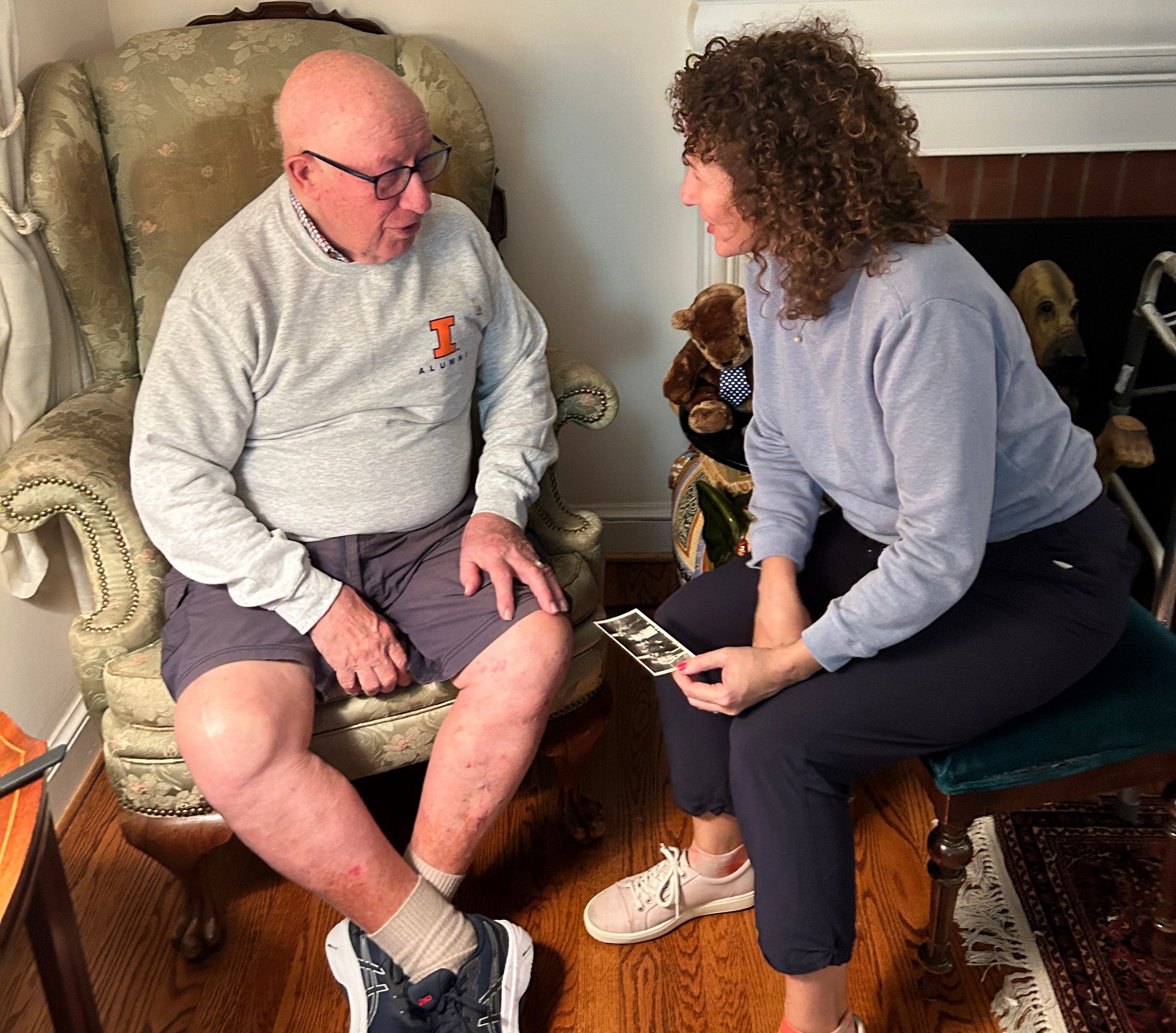
When my great uncle was a boy, he set out to do something no one else in our family had ever done.
He wanted to go to West Point.
As a 14-year-old Boy Scout growing up in Springfield, Mo., he read about the esteemed military academy in a 1941 article in Life magazine that came out just a month before Pearl Harbor.
As the world fell into chaos, Jack fixed his gaze on a place that was a long, long way from where he grew up.
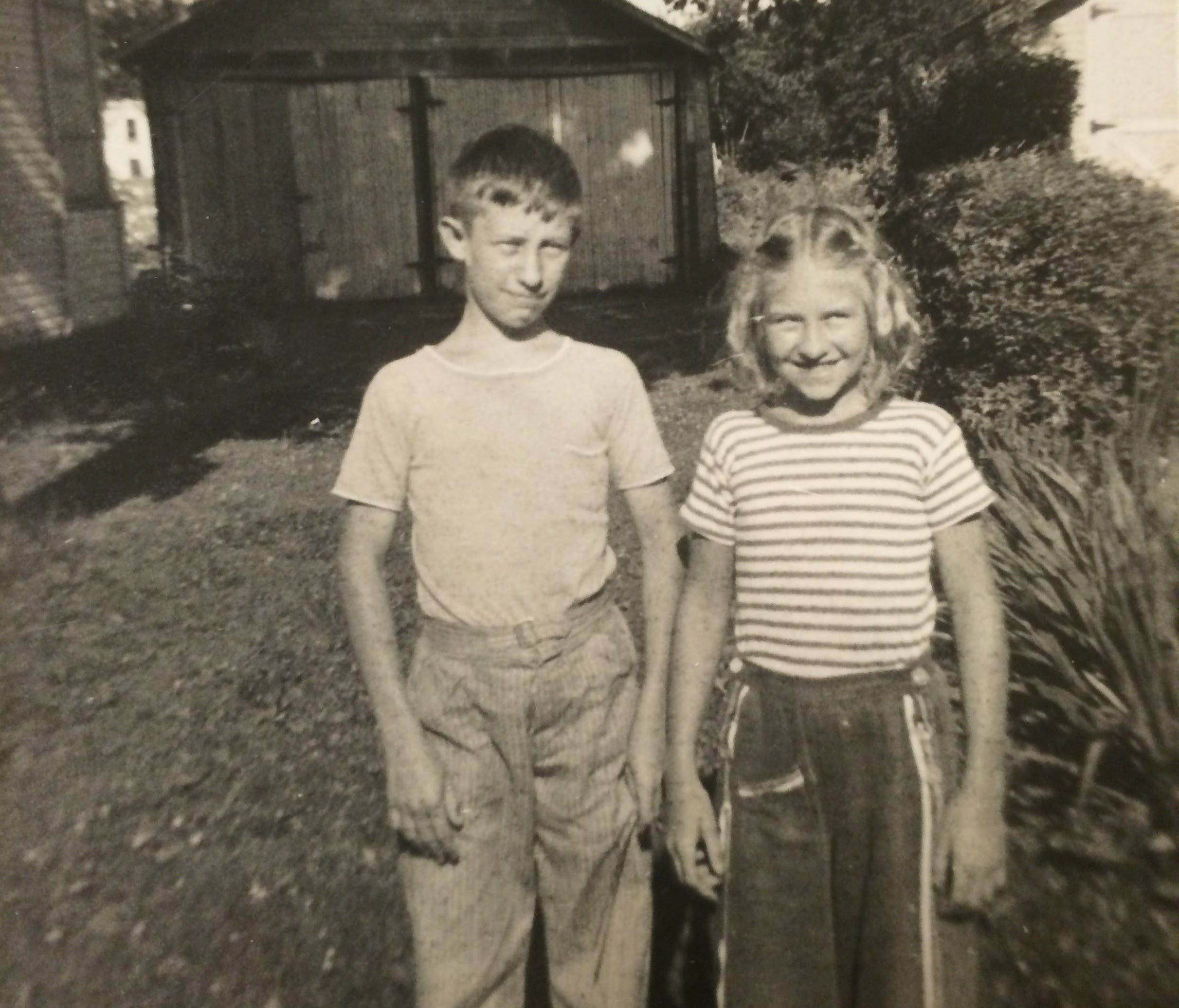
Born in 1927, Jack was part of the Greatest Generation, whose members came of age as the world was tearing itself apart. He and my grandmother, who was technically part of the Silent Generation, were raised during the Depression by a first-generation Swedish-American who loved to quilt. Their dad was a mentally unstable man who walked out on the family when the kids were teenagers, a painful scar that stayed with both of his children until the end of their long lives.
In February, Jack died at age 98, the eldest member of our family and the last of his generation in our family tree.
For a young John E. Wagner, the military academy was his moon shot. A chance to make a name for himself in ways that his father never could.
And he did it. With that Swedish stubbornness, he was eventually admitted to one of the country’s most prestigious schools.
By the time Jack got back from his first year at West Point, my grandmother, at 16, had married a local basketball standout who wanted to stick close to the Ozarks and become a big fish in a small town.
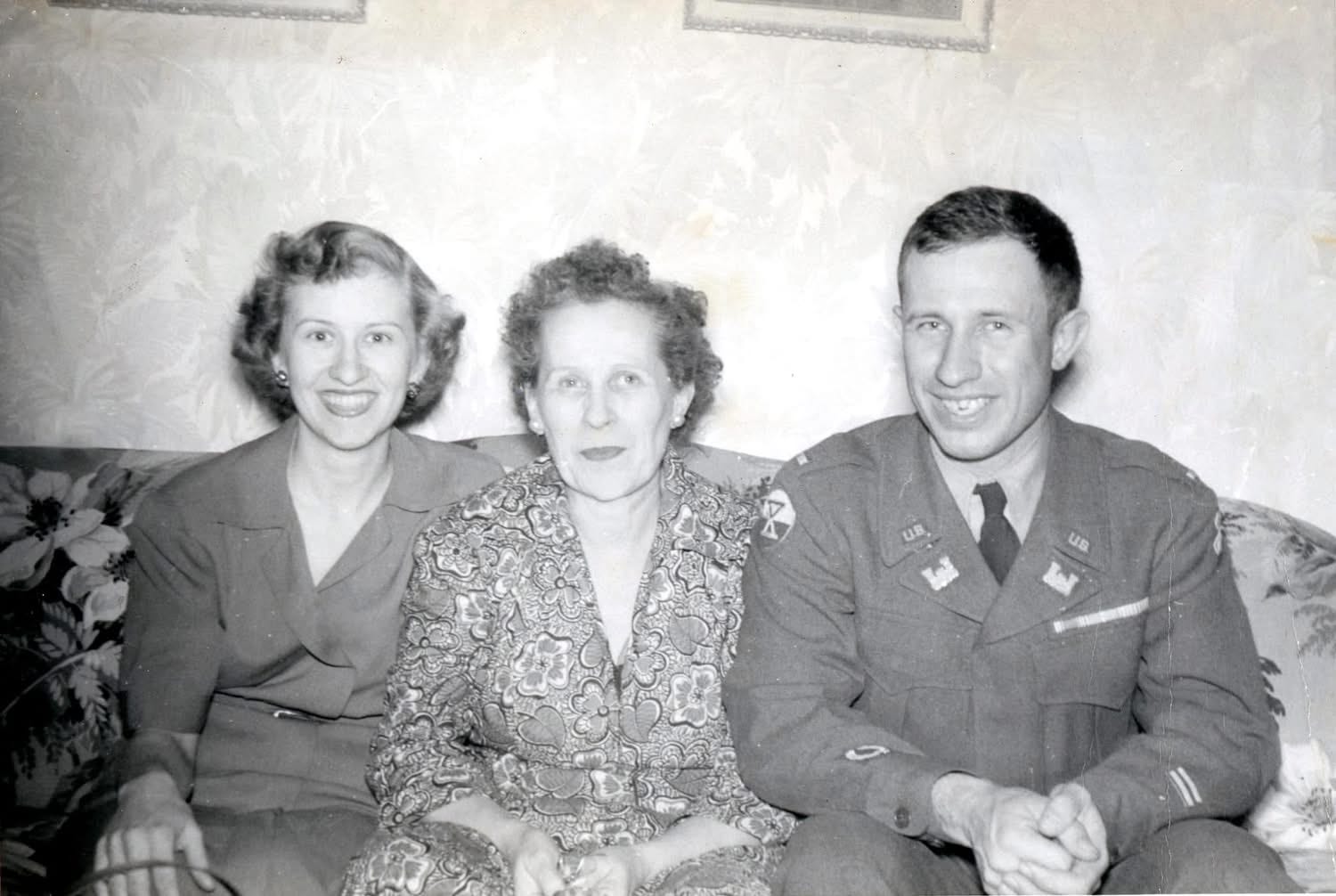
Jack had other plans than returning to Missouri.
After graduating from West Point in 1950 and meeting his beloved wife, Louise, he spent his career traveling and living around the world, from Germany to Antarctica, rising to the rank of colonel before retiring in 1980 and starting a second career in accounting.
He was a dedicated serviceman with impeccable timing. He enlisted in the army, but not in time to serve in the war. He studied cold science during the early years of the Cold War and the establishment of McMurdo Station, where he was stationed from 1967 to 1968.
But over those globetrotting decades, the literal and metaphorical space between my grandmother and her brother only grew as they both raised families, my grandmother in rural Missouri, and Jack and Louise with their two children in the DC area.
Correspondence dwindled to Christmas cards and graduation announcements.
The Midwest/East Coast divide was well-established.
And yet our families weren’t finished with this story.
